AI is reshaping how we live and work—from supporting mental health to revolutionizing robotics. But these advancements come with costs, and not all of them are obvious at first glance.
Today's stories explore how AI is stepping up in surprising ways while also testing the limits of our infrastructure and energy systems.
1. AI steps in for mental health, but keeps humans central
With over 1 in 5 Americans living with mental illness and burnout crushing mental health professionals, AI is filling some gaps. A recent study found 5.4 million U.S. teens have turned to AI for mental health support. It's not replacing therapists, but it’s offering a lifeline where access is scarce. (Source: MedCity News) →
Why this matters
AI could help make mental health care more accessible amid a growing crisis.
2. New Jersey tells AI data centers to pay for their power
A new law in New Jersey requires AI-focused data centers to handle their own electric infrastructure costs. With AI's energy demands ballooning, this policy shifts the financial burden away from residents. It’s a small win for taxpayers in a world of growing AI-driven energy use. (Source: NJ.com) →
Why this matters
It addresses the public cost of AI's energy appetite with a proactive policy.
3. AI-powered robots are here, and they’re actually working
Remember when robots took five hours to cross a room? Meet Digit, a humanoid robot now working in warehouses, thanks to AI advancements like reinforcement learning. From clunky experiments to functional workers, robots are moving from science fiction to real-life labor. (Source: Ars Technica) →
Why this matters
AI is making autonomous robots viable for practical, everyday tasks.
4. U.S. power grids feel the squeeze of AI’s rapid growth
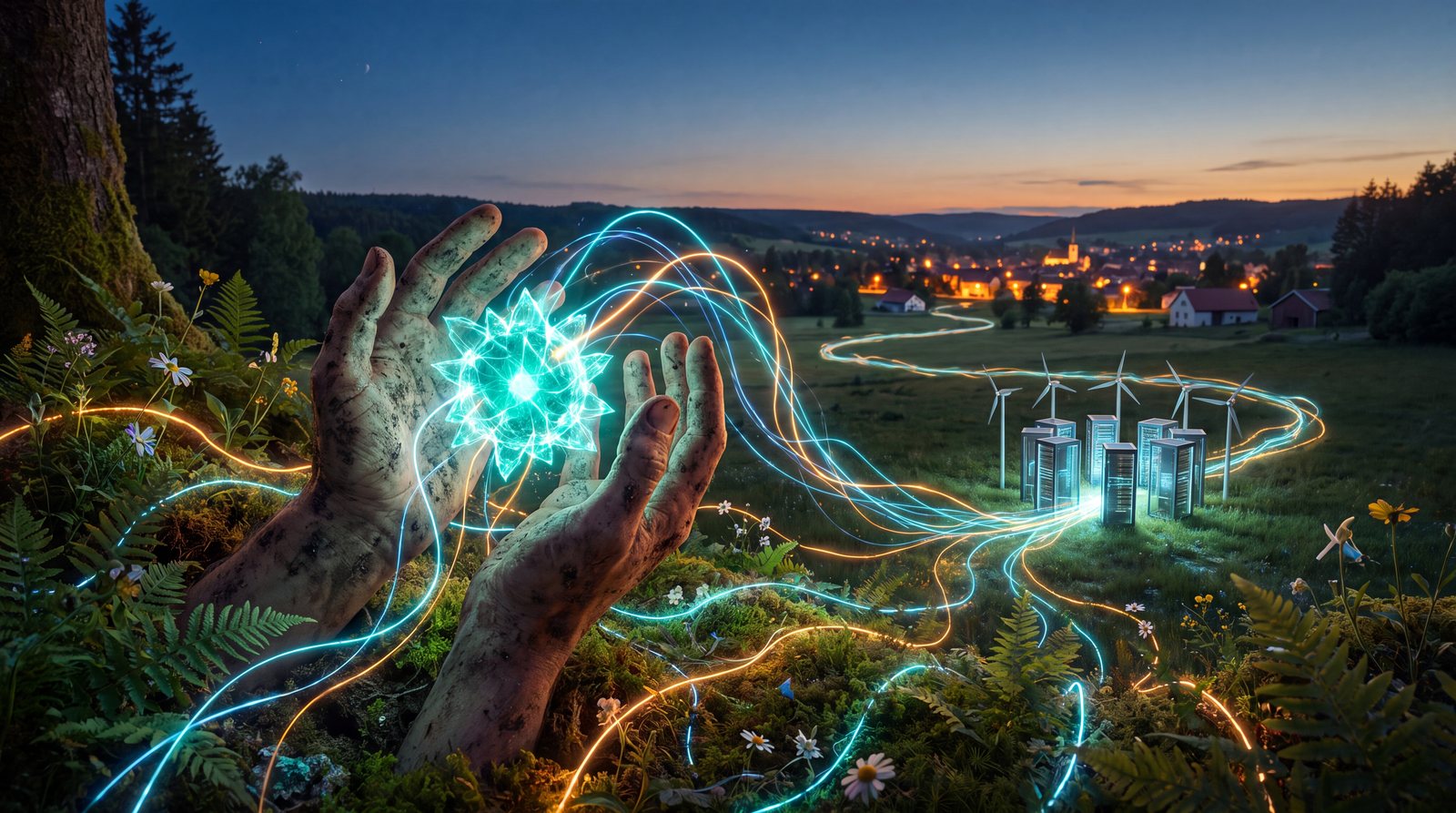
AI breakthroughs depend on massive data centers, but those centers are straining power grids. U.S. utilities are scrambling to secure equipment and keep up with demand. It's a reminder that AI's growth isn’t just about algorithms—it's about infrastructure too. (Source: Reuters) →
Why this matters
AI's success depends on energy systems that are already under pressure.
The bigger picture
AI is advancing from mental health to robotics, solving problems and creating new opportunities. But as it grows, it’s running into limits—energy systems, public costs, and resource strain. The balance between innovation and its impacts is becoming harder to ignore.
What it means for you
- AI is entering the mental health space as a stopgap but not a replacement.
- Policymakers are starting to address AI's energy demands with specific legislation.
- Robotics powered by AI are moving from experiments to actual workplace solutions.
- AI's infrastructure needs are testing the resilience of U.S. power grids.
AI is saving the planet and straining it at the same time—both true.