STRAIGHT TALK
US Data Centers Could Double Electricity Use By 2030
A new report warns that US data center electricity use could more than double by 2030, driven by the rapid growth of AI. Water consumption by these facilities is also expected to quadruple. Policymakers are grappling with balancing economic growth and local environmental impacts. (Source: Utility Dive) →
The case for
Data centers are the backbone of modern AI and digital infrastructure. They support everything from financial transactions to global communication and advanced machine learning. The explosion in AI, particularly generative models like ChatGPT, requires significant computational power, and that means more data centers. This growth has brought jobs, tax revenue, and economic development to many states. For instance, Northern Virginia’s concentration of data centers has made it a hub for tech innovation, attracting investment and talent. As more industries adopt AI, the demand for these facilities will only increase, fueling further advances in medicine, climate modeling, and education. Proponents argue that with the right policies and technologies, we can transition these centers to renewable energy sources, reducing their environmental impact while allowing them to grow.
The cost
The environmental toll of this expansion is staggering. Electricity use doubling means significantly more greenhouse gas emissions unless a rapid shift to renewable energy occurs. Water consumption quadrupling could strain already fragile local ecosystems, especially in drought-prone areas. Communities near data centers often deal with increased noise, heat pollution, and power grid vulnerabilities, as highlighted by recent incidents like the Northern Virginia grid disruption. There’s also the issue of equity: the economic benefits of hosting data centers don’t always trickle down to local residents, who bear the brunt of the environmental costs. Finally, while renewable energy can mitigate some of the damage, transitioning an industry of this scale is neither quick nor cheap, and the upfront costs could stall progress.
Terms, plainly
- Data Center
- A facility that houses computer systems and hardware to store, process, and distribute data.
- Grid Disruption
- An event where the power grid experiences instability, often affecting electricity supply.
- Renewable Energy
- Energy sourced from natural processes that are replenished constantly, like solar or wind power.
Context
Data centers already account for about 1% of global electricity use, a figure expected to grow rapidly with AI adoption. Northern Virginia, the global leader in data center concentration, has become a case study in both the economic benefits and environmental costs of this trend. Policymakers are caught between competing pressures: attracting tech investment and addressing the strain on local resources. The industry has made some strides in using renewable energy, but scaling these efforts to meet growing demand will be challenging. Meanwhile, recent grid failures, like the one in Northern Virginia, highlight how unprepared infrastructure is for this rapid growth.
Both true
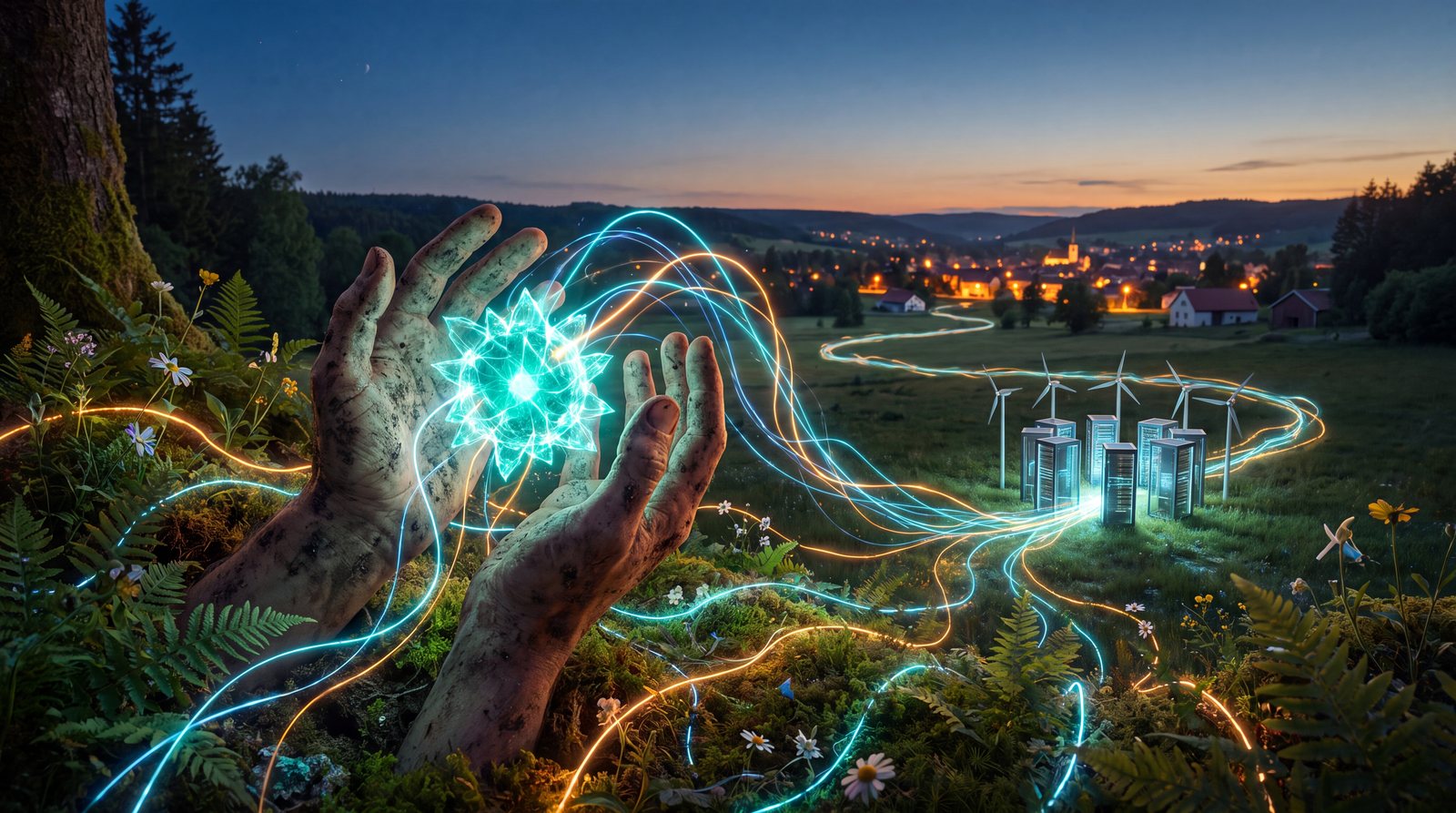
The tension between progress and preservation is palpable here. AI and data centers are undeniably transformative, but their environmental cost cannot be ignored. Policymakers and industry leaders need to act decisively to transition to renewable energy and mitigate local impacts. The question is whether they’ll move fast enough to keep pace with AI’s growth. Both true—and both urgent.