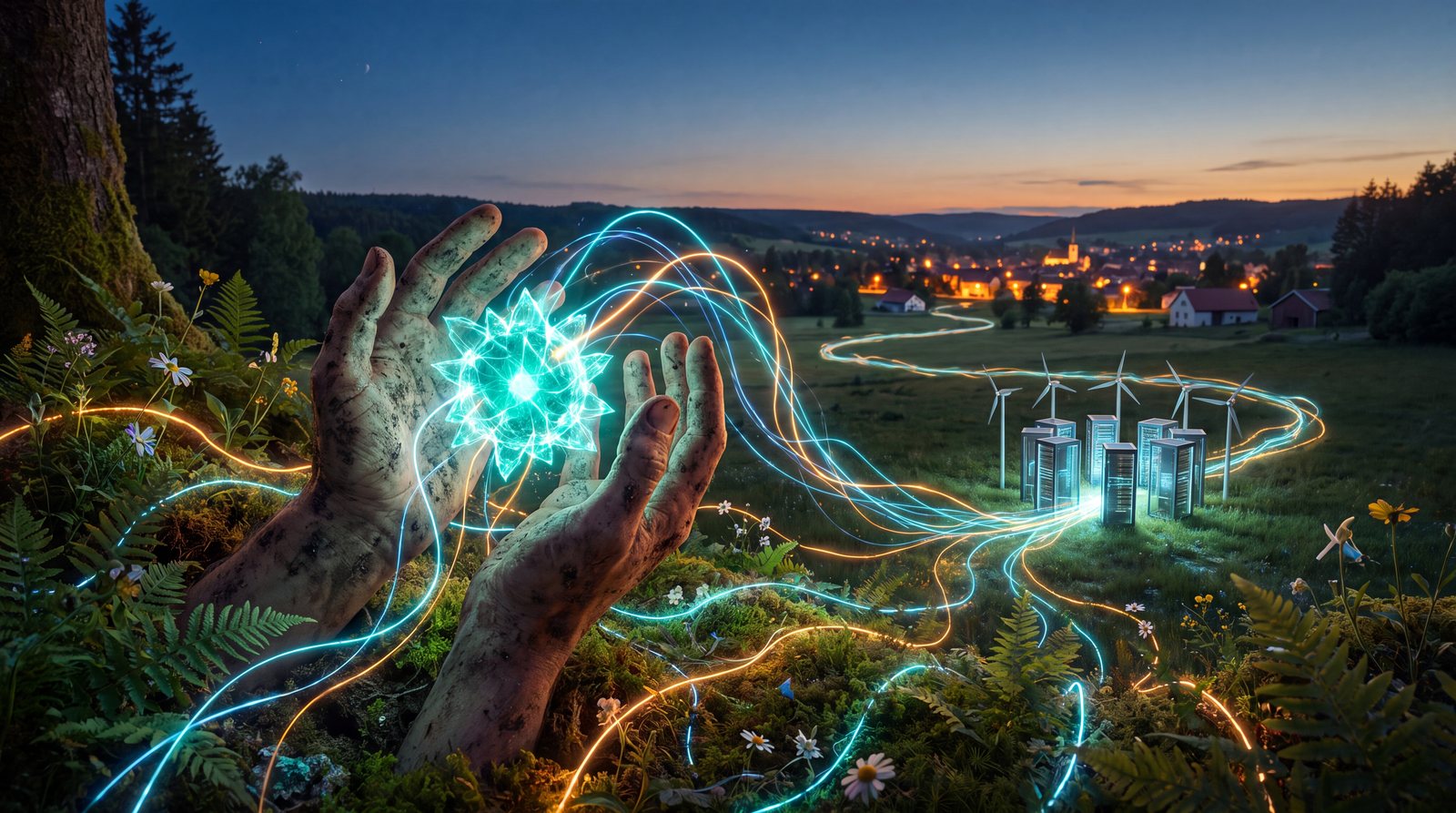
AI's energy appetite is insatiable, and Big Tech is eyeing next-gen nuclear as a solution. The pitch is clear: clean, reliable power for a data-hungry world. But is this nuclear renaissance a genuine answer or just a shiny distraction? One thing is certain—every promise comes with a price tag.
Both True · edition
Big Tech's Nuclear Power Play: Real or Rhetoric?
The lead
STRAIGHT TALK
The Push for Nuclear-Powered Data Centers
Kairos Power and Google signed an agreement in October 2024 to deploy 500 megawatts of nuclear power by 2035. Amazon partnered with Energy Northwest to fund small modular reactor (SMR) development in Washington state, with plans for a 320-megawatt project. Nuclear power, however, provided only 8.8% of global electricity in 2025, and new reactors are significantly more expensive than solar or wind energy. (Source: Bulletin of the Atomic Scientists) →
The case for
Advanced nuclear reactors, like small modular reactors (SMRs), offer an energy solution that could sidestep the intermittency issues of solar and wind. Data centers require constant, stable power, and nuclear energy could deliver this without the carbon emissions of fossil fuels. Big Tech’s involvement adds momentum, funding, and visibility to an industry that has struggled with public perception. The partnerships between companies like Amazon and Kairos Power suggest a willingness to invest in long-term, sustainable solutions. If successful, next-gen nuclear could reduce the strain on power grids, which are already buckling under the demands of AI-driven data centers. The technology’s scalability and potential for localized deployment also make it attractive. For regions like the Pacific Northwest, where renewable resources like hydropower are already heavily utilized, adding nuclear could allow for a diversified, low-carbon energy portfolio.
The cost
Nuclear power projects are notorious for delays and cost overruns. A study of 180 nuclear projects found that 175 exceeded budgets and timelines, and advanced designs like SMRs are no exception. Building a nuclear plant is not just expensive—it’s slow. The KLT-40S reactor in Russia took 13 years to complete, and China’s recent reactors took more than twice the promised time. These delays contradict the urgency of meeting AI’s escalating power needs. Then there’s the cost: nuclear-generated electricity in the U.S. is three times more expensive than solar or wind. If Big Tech passes these costs to consumers, the affordability of cloud services and AI applications could suffer. And while nuclear is clean at the point of generation, the mining, processing, and long-term storage of radioactive waste remain unresolved environmental and ethical issues. Promising a nuclear future without addressing these realities risks creating more problems than it solves.
Terms, plainly
- Small Modular Reactor (SMR)
- A compact nuclear reactor designed to be built in factories and assembled on-site, aimed at reducing costs and construction time.
- Energy Capacity
- The maximum amount of electricity a power plant can produce at a given time, measured in megawatts.
- Power Purchase Agreement
- A contract between a power producer and a buyer to purchase electricity at agreed terms over a set period.
Context
Nuclear power is not new, but its global share of electricity production has halved over the last 30 years, now sitting at 8.8%. Renewables like wind and solar, meanwhile, are growing rapidly. The U.S. Department of Energy has pushed initiatives like the Natrium and Xe-100 reactors, but delays have plagued these projects. Against this backdrop, Big Tech’s nuclear announcements seem ambitious, but they are not unique—similar claims have been made in the past without fruition. As AI continues to drive up energy demand, the question is whether nuclear can realistically scale up to meet the challenge in time.
Both true
The vision of nuclear-powered data centers is both inspiring and fraught. The technology offers an enticing mix of reliability and low carbon emissions, but the practical hurdles—costs, delays, and waste—are enormous. Big Tech’s involvement may help, but it also risks turning nuclear into a PR stunt rather than a real solution. For now, nuclear feels like a bet on a future that may not arrive as quickly as AI's energy needs demand. Both true.
Also today
HUMAN IMPACT
AI Chatbots Fill Gaps in Mental Health Care
Millions turn to AI chatbots like ChatGPT for mental health advice due to long waitlists and high therapy costs. Experts warn that while chatbots can be helpful, they lack the depth and safety of real therapy. Emotional support from AI is rising, but it's no substitute for professional care. (Source: WTVY) →
Why it mattersMental health access is a crisis, but AI isn’t the long-term fix.
TECH & PLANET
Data Centers Could Consume 20% of U.S. Power by 2035
Bloomberg projects that data centers, driven by growing AI demands, will use 20% of U.S. electricity by 2035, up from 5.9% today. This surge is already straining power grids, with AI workloads pushing demand further. (Source: Bloomberg.com) →
Why it mattersAI’s energy hunger is reshaping national power priorities.
FRONTIER
Fujitsu Partners for Physical AI Revolution
Fujitsu began exploring physical AI projects with robotics giants like FANUC and NVIDIA. The collaboration aims to develop platforms for integrating digital and physical systems across industries like manufacturing and healthcare. This initiative seeks to enhance human-robot collaboration and boost Japan’s industrial competitiveness. (Source: Fujitsu Global) →
Why it mattersPhysical AI could redefine how industries operate and innovate.
My analysis
The bigger picture
AI’s transformation of energy landscapes and human interactions is undeniable. From nuclear ambitions to skyrocketing data center demands and emotional support chatbots, the challenges of scaling up responsibly are mounting.
What it means for you
- Nuclear power offers clean energy but comes with steep costs and delays.
- AI data centers are driving up global electricity demand rapidly.
- AI chatbots can assist with mental health but are not replacements for therapists.
- Physical AI initiatives could redefine human-robot collaboration.
- Big Tech’s energy moves highlight the tension between ambition and feasibility.
Every solution casts its own shadow. Weigh both.
Sources
- Bulletin of the Atomic Scientists — https://thebulletin.org/2026/07/data-centers-powered-by-next-gen-nuclear-dont-fall-for-big-techs-pr-hype/
- WTVY — https://www.wtvy.com/2026/07/21/more-people-are-turning-artificial-intelligence-emotional-support/
- Bloomberg.com — https://www.bloomberg.com/news/articles/2026-07-21/data-centers-on-track-to-suck-up-a-fifth-of-us-power-use-by-2035
- Fujitsu Global — https://global.fujitsu/en-global/pr/news/2026/07/16-01